Why Smart Direct-Drive Trainers Don’t Include a Cassette
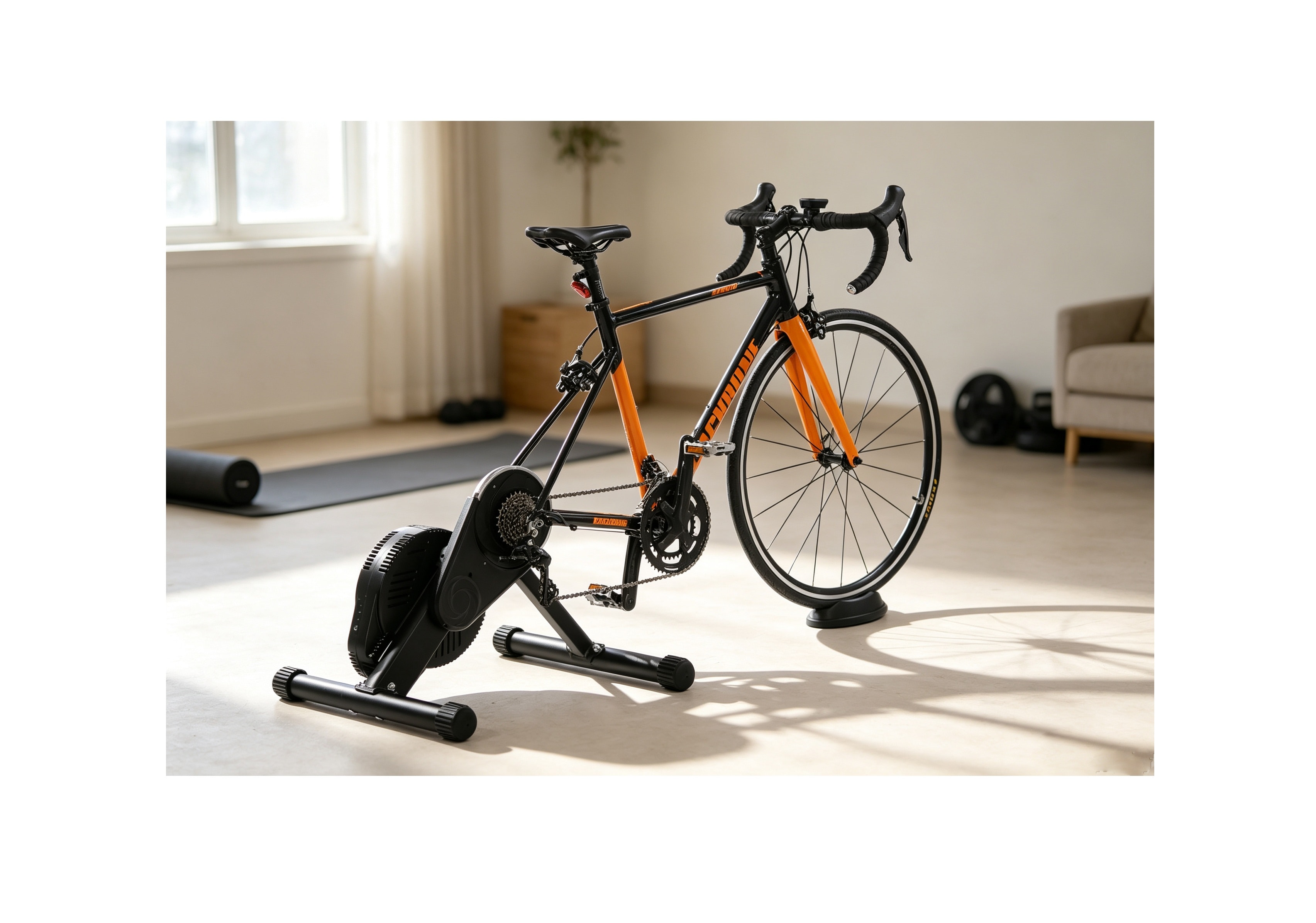
Why Smart Direct-Drive Trainers Don’t Include a Cassette
Smart direct-drive trainers ship without a cassette — and that’s not an oversight. It’s a deliberate design choice to ensure that one trainer works seamlessly with virtually every bike on the market. The short answer: your bike’s drivetrain is unique, and the cassette that’s already on your rear wheel is the only one guaranteed to match your shifting system perfectly.
If the manufacturer pre-installed a cassette, it would almost certainly be the wrong one for your bike — wrong speed (11‑speed vs. 12‑speed), wrong brand (Shimano vs. SRAM), or wrong spacing. Here’s a deep dive into why that happens and how you can set up your trainer the right way.
🔧 The Core Problem: Drivetrain Fragmentation
Modern road, gravel, and mountain bikes use a wide variety of cassette standards. A direct-drive trainer requires you to mount your existing cassette (or an identical spare) onto its freehub body. This is the only way to maintain identical gear spacing, chainline, and indexing with your bike’s derailleur.
- Different speeds: 8‑speed, 9‑speed, 10‑speed, 11‑speed, 12‑speed — even 13‑speed is emerging. Each has a different cog thickness and spacing.
- Different brands: Shimano (Hyperglide, Micro Spline), SRAM (XD, XDR), Campagnolo, and others use distinct freehub designs.
- Different cassette ranges: 11‑25, 11‑28, 11‑32, 10‑33, etc. — the tooth count affects chain wrap and rear derailleur capacity.
Installing a mismatched cassette would cause poor shifting, excessive noise, or even chain drop — not something you want during a high-intensity Zwift race.
🎯 Why Manufacturers Leave It Out (3 Key Reasons)
1. Universal Compatibility
Trainer brands like Wahoo, Tacx, and Elite sell their products globally to cyclists with radically different setups. By not including a cassette, they let you use the exact same model that’s on your rear wheel. This guarantees perfect indexing and shift quality.
2. Cost & Waste Reduction
If a trainer shipped with a cassette, the price would increase — and for many users that cassette would be useless. A Shimano 105 11‑speed cassette, for example, would be great for some, but useless for a SRAM 12‑speed rider. Including one would force everyone to pay for a part they don’t need, and most would toss it or let it gather dust.
3. Freehub Body Diversity
Even if the cassette speed matches, the freehub interface must also be compatible. Many trainers ship with a Shimano HG (Hyperglide) freehub as standard, but some include swappable end caps or optional XDR bodies. By leaving the cassette out, users can choose the right freehub body for their drivetrain and the right cassette.
📌 Exception to the rule: A few models (e.g., Wahoo KICKR CORE 2 in select bundles) include a pre-installed cassette. These are typically aimed at entry‑level users or specific regional promotions — but they are not the industry norm. Always check the product page before buying if you want an “out‑of‑the‑box” solution.
🛠️ How to Choose the Right Cassette for Your Trainer
The best practice is simple: buy a second cassette that is identical to the one on your rear wheel. This way, your bike shifts identically on the trainer and on the road — no re‑indexing, no surprises.
- Step 1: Check your current cassette — look for the number of speeds (e.g., 11‑speed) and the brand/model (e.g., Shimano Ultegra R8000).
- Step 2: Confirm the freehub type on your trainer (most come with HG, but some have XDR or Micro Spline options).
- Step 3: Purchase the same cassette model (or an equivalent from the same brand with the same tooth range).
- Step 4: Install it on your trainer, using the correct spacer if required (e.g., 1.85mm spacer for 11‑speed HG cassettes on certain freehubs).
💡 Pro Tip: Keep your trainer cassette and your wheel cassette with the same wear level. If one is heavily worn and the other is new, chain wear may cause shifting differences. Replacing both at the same time is the golden rule for flawless performance.
📏 Spacers & Technical Nuances
Different speed cassettes require different spacer thicknesses — especially when mounting an 8‑, 9‑, or 10‑speed cassette on an 11‑speed freehub. Most trainers include a spacer kit, but you can also buy them separately. Always consult your trainer’s manual for the recommended setup.
- 8/9/10‑speed on HG 11‑speed freehub: requires a 1.85mm spacer behind the cassette.
- 11‑speed HG cassette: no spacer needed on an 11‑speed HG freehub.
- SRAM XDR cassettes: require an XDR freehub body (some trainers offer this as an accessory).
❓ Frequently Asked Questions
Q: Can I use my existing road cassette on the trainer and buy a new one for my wheel?
Yes — that’s actually a great strategy. It keeps your outdoor cassette fresh while the trainer cassette takes the indoor wear.
Q: Will any 11‑speed cassette work with any 11‑speed trainer?
Not necessarily. Brand matters (Shimano vs. SRAM) and freehub type must match. Also, some trainers have slightly different freehub lengths, so spacers may be needed.
Q: Why don’t trainers at least include a cheap cassette?
Because a “cheap” cassette would still be incompatible for many users, and it would add cost and packaging waste. Most cyclists prefer to choose their own high‑quality cassette.
📦 Final Verdict
Smart trainers leave the cassette out on purpose — to give you control, compatibility, and value. Instead of paying for a part you don’t need, you invest in a cassette that perfectly matches your bike. It’s a small extra step that guarantees a smooth, quiet, and accurate indoor riding experience.
Next time you unbox a new direct‑drive trainer, remember: the missing cassette isn’t a drawback — it’s a sign that the manufacturer respects your unique setup.