The Bike Trainer Tips 06:How To Reduce Noise Generated During Indoor Bike Training
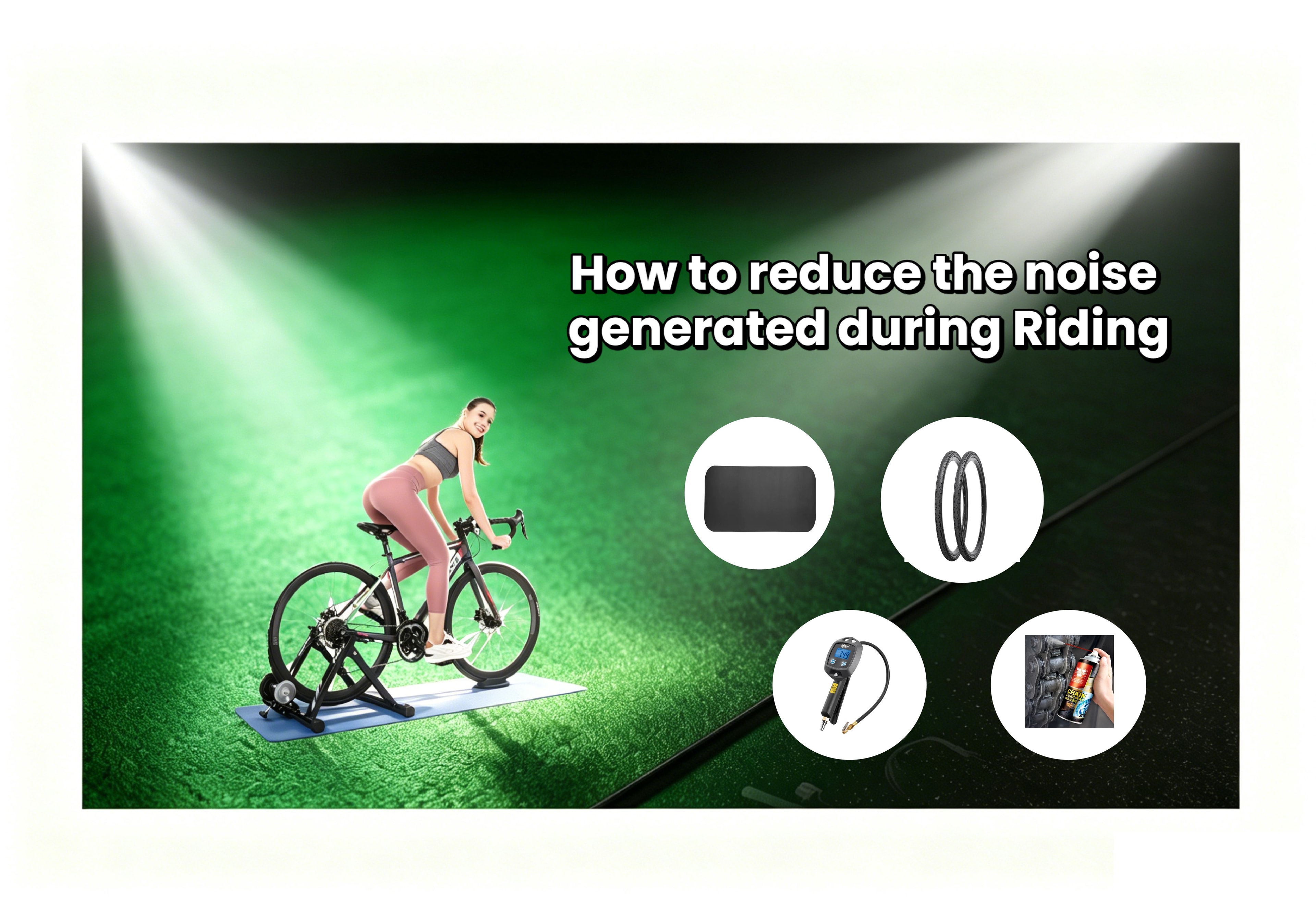
How to Reduce Noise During Indoor Bike Training
Indoor training is great for year-round cycling, but noise—especially vibration transmitted through the floor—can disturb others in your home or building. Reducing vibration is often more effective than lowering airborne noise alone. Follow these proven tips to enjoy a quieter, more stable ride.
1. Use an Anti-Vibration Mat Under Your Trainer
Placing an anti-vibration mat beneath your bike trainer is the most effective way to stop floor-borne noise.
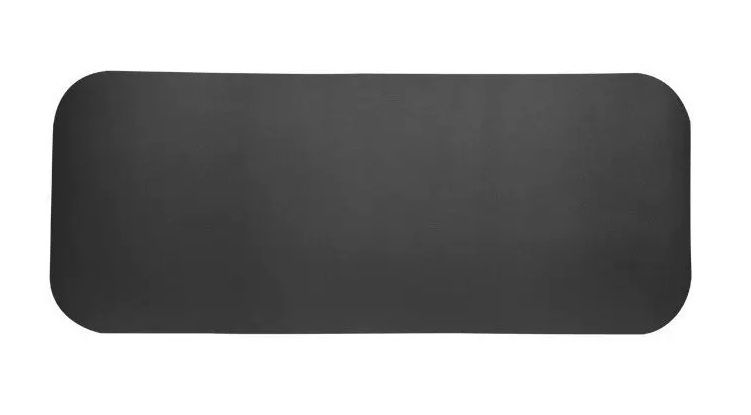
A styrofoam plate can help, but avoid pads that are too thick. Excessively thick mats may reduce stability when mounting, dismounting, or pedaling hard. Choose a firm, dense mat designed specifically for exercise equipment.
2. Switch to a Slick Tire for Tire-Drive Trainers
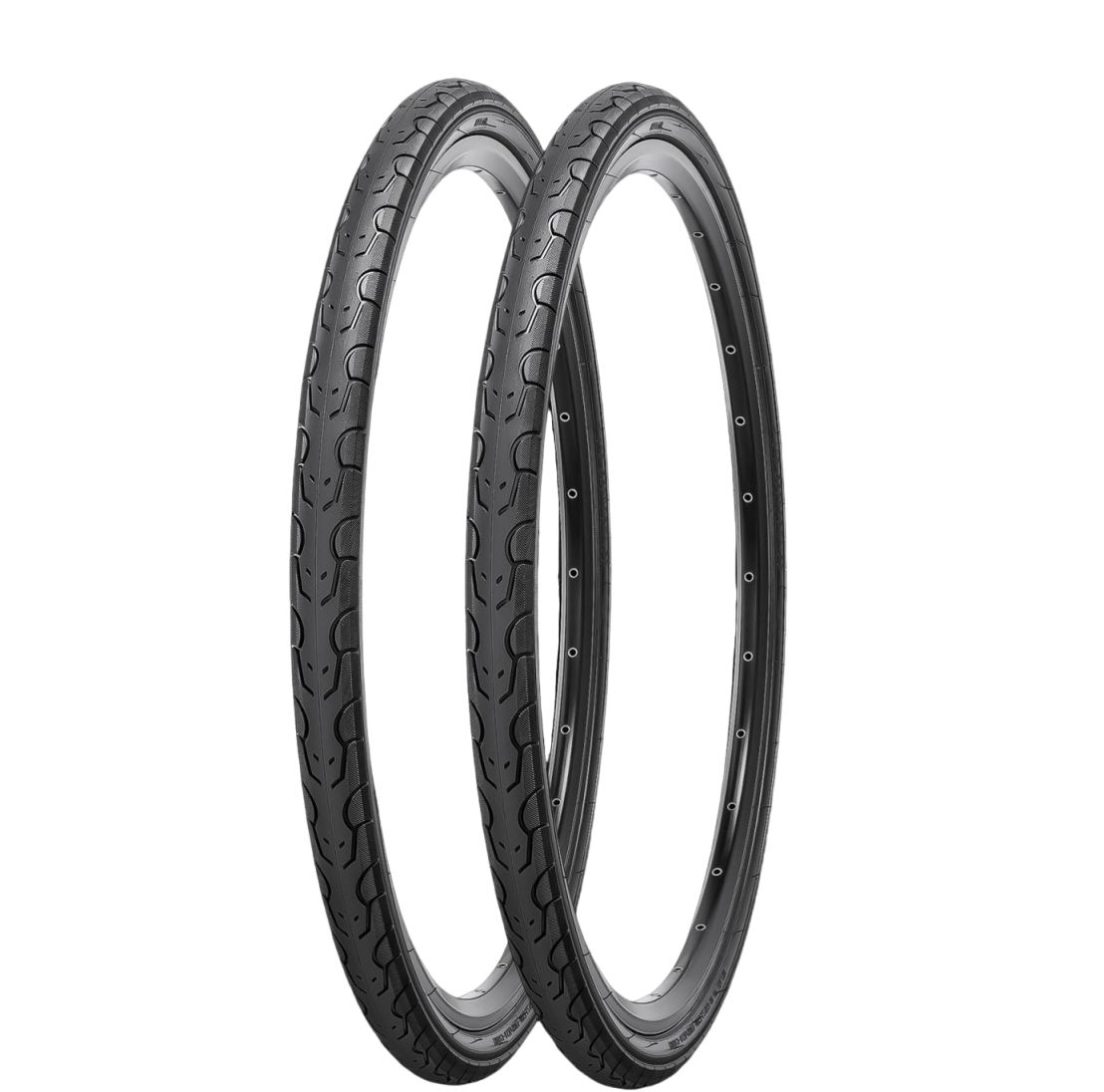
If you use a tire-drive trainer (wheel-on trainer), the rear tire is a major noise source. Replace your standard tire with a slick-type trainer tire. Slick tires reduce rolling resistance and lower noise significantly compared to knobby or treaded tires.
3. Maintain a Steady, Moderate Pedaling Speed
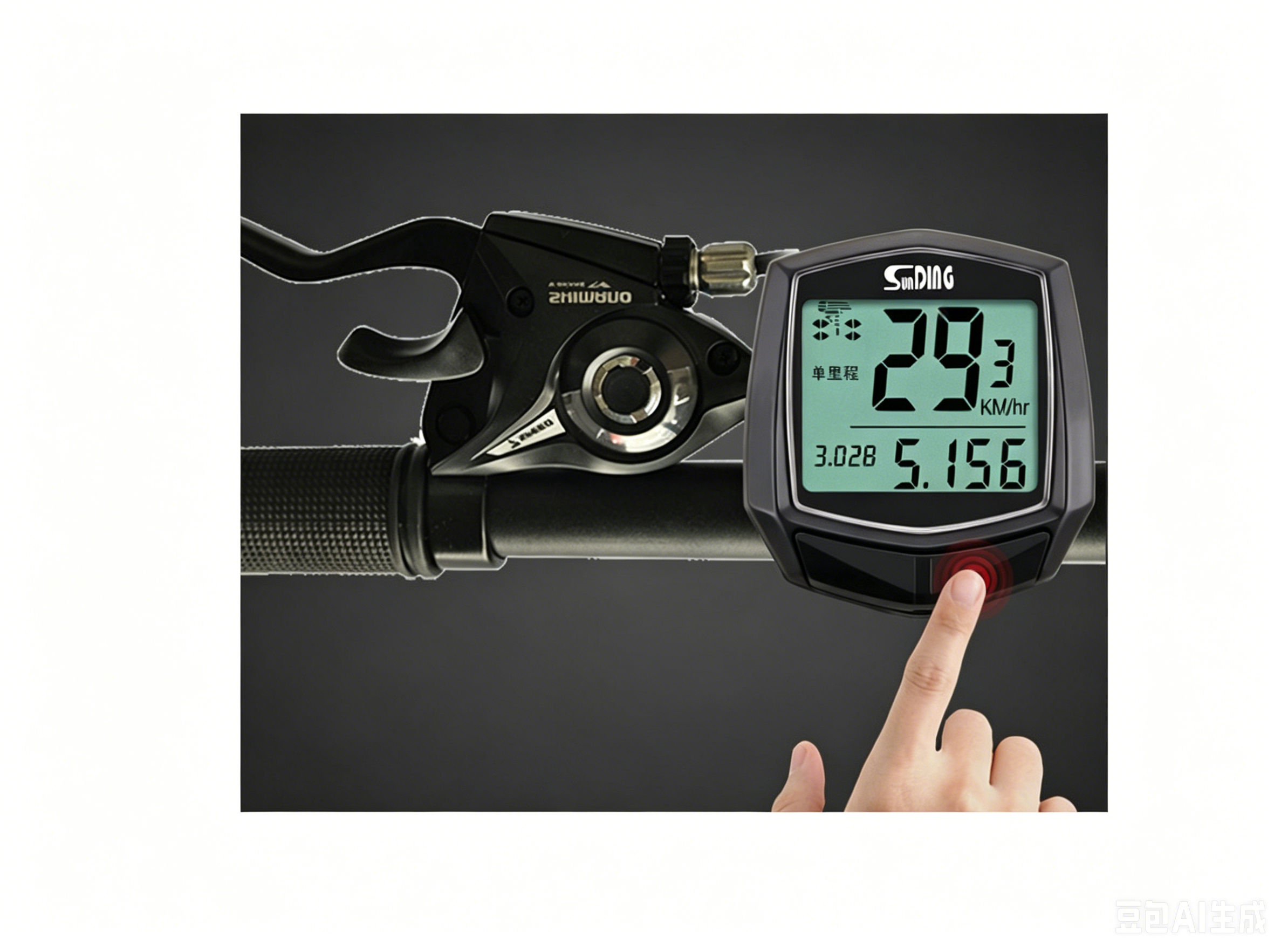
Hard, erratic pedaling increases both vibration and noise. Keep your speed below 30 km/h (≈18.6 mph). A consistent, reasonable pace is more effective for training and much quieter for everyone nearby.
4. Fix Squealing Noise – Check Tire Pressure
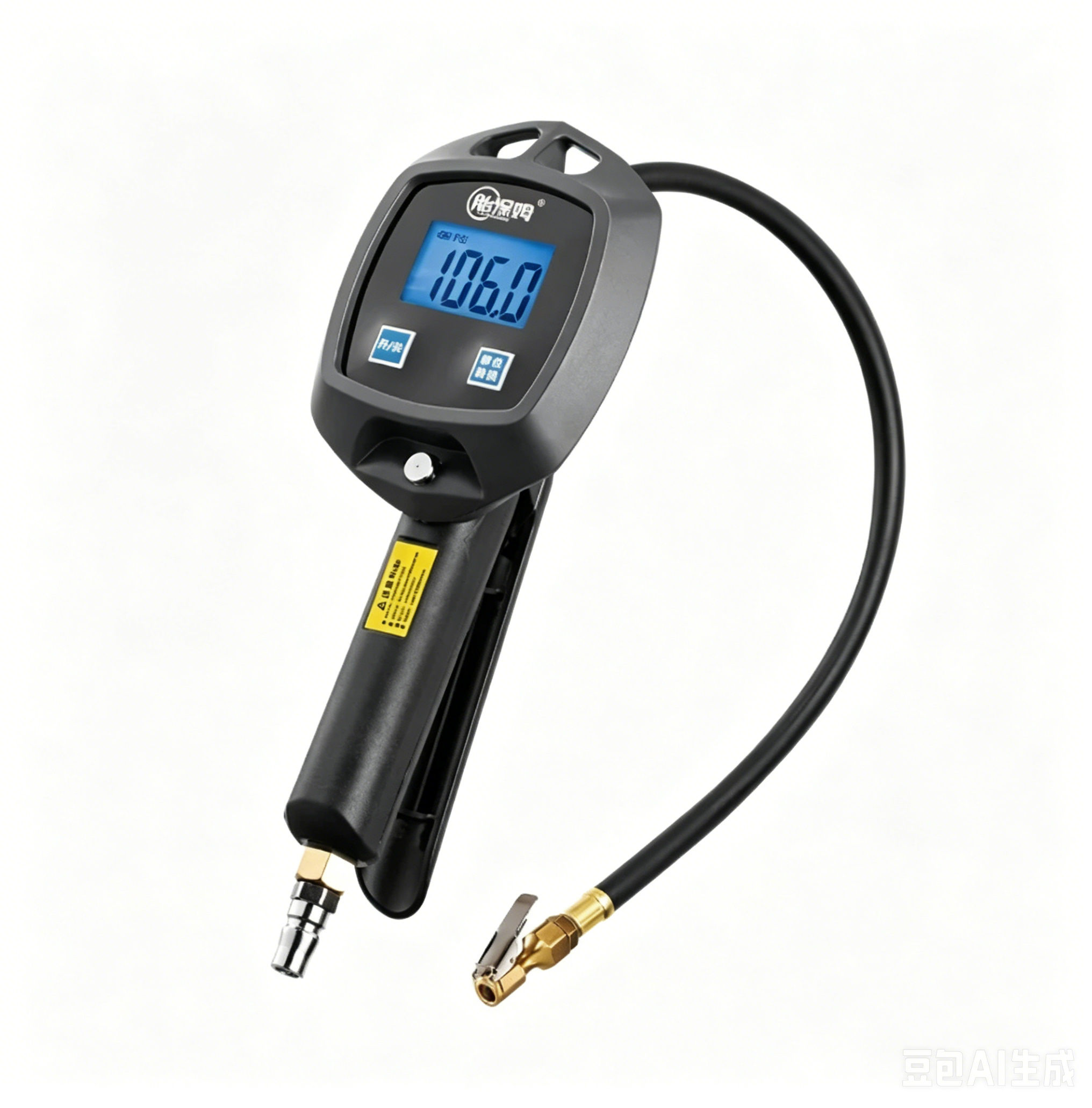
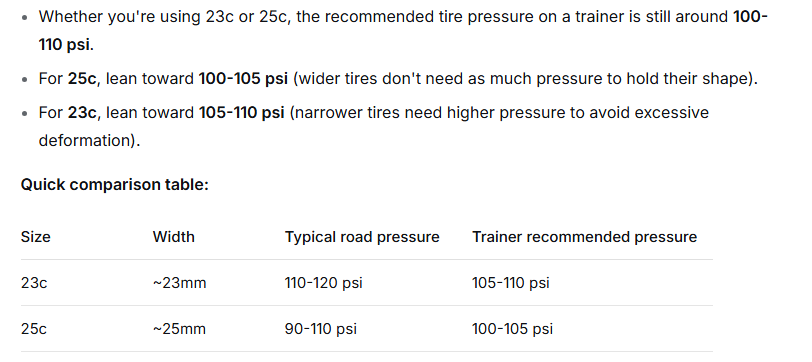
If you hear a squealing noise from the trainer even after warming up, the most common cause is incorrect tire pressure. Too low pressure increases friction, leading to squeal and excess noise. Inflate your rear tire to the manufacturer’s recommended pressure (usually printed on the tire sidewall).
Road bike tire pressure reference:
5. Lube and Clean Your Bike’s Drivetrain
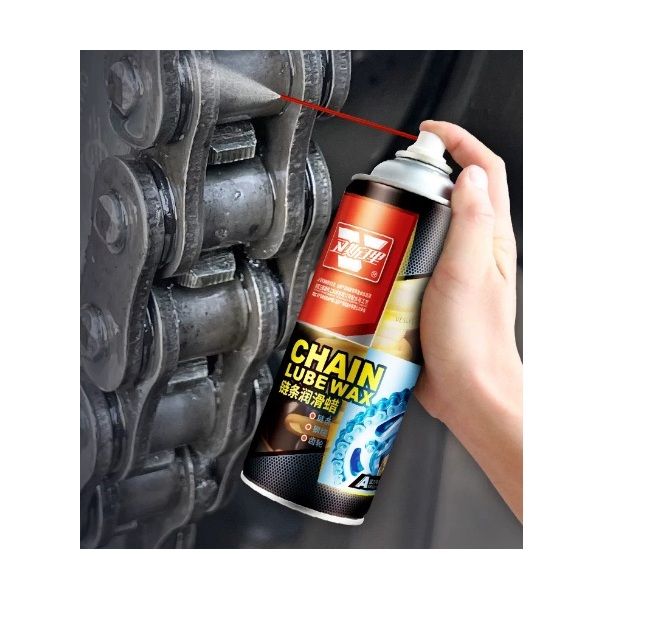
A dry or dirty chain creates unnecessary noise and wear. Use a chain cleaner tool to remove grit and old lubricant. Apply a quality chain lubricant designed for indoor trainers or general cycling. Regular cleaning and lubing reduces drivetrain noise, improves efficiency, and extends component life.
6. Consider a Quieter Direct-Drive Trainer
If your current trainer remains too noisy after trying all the steps above, it may be time to upgrade.
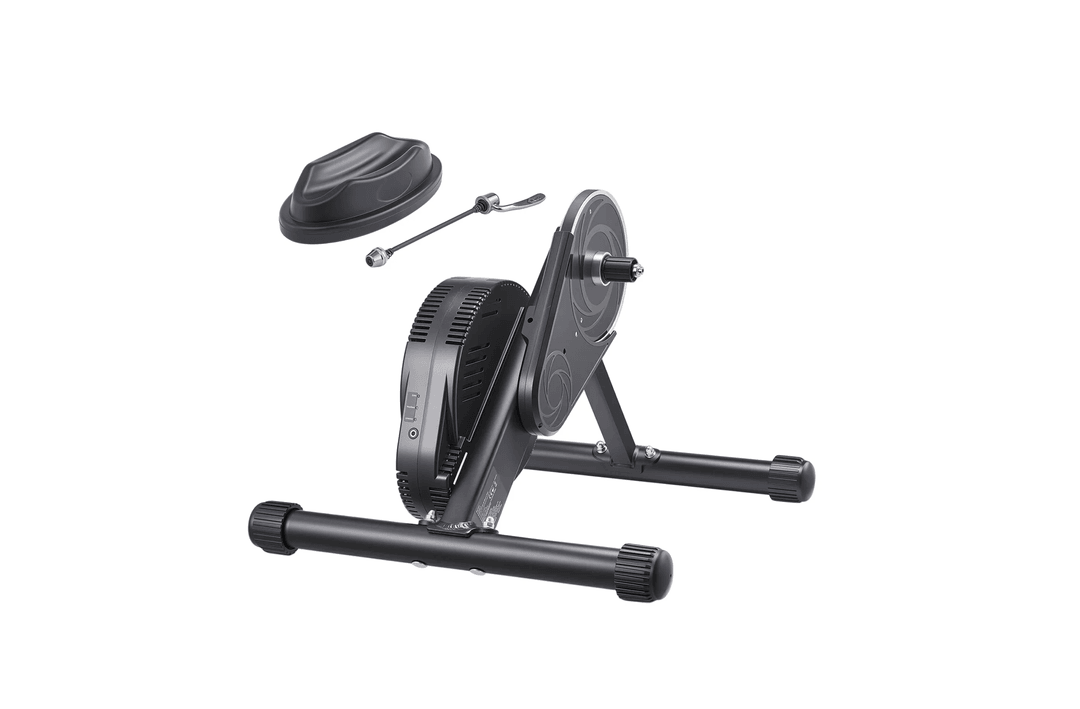
Direct-drive trainers (where you remove the rear wheel and attach the cassette directly to the trainer) are typically much quieter than tire-drive models. This is the last resort option, but it offers the best noise reduction and most realistic ride feel.
📌 Overall Summary
Indoor bike trainer noise mainly comes from floor vibration, tire friction and poor equipment maintenance. You can effectively cut down disturbing sounds by using vibration isolation mats, switching to slick tires, controlling stable pedaling speed and maintaining proper tire pressure and drivetrain lubrication. If basic adjustments fail to bring satisfying quiet performance, upgrading to a silent direct-drive bike trainer will be the reliable way to enjoy comfortable and noise-free indoor cycling workouts at home.