The Bike Trainer Tips 05: How to Tell If Your Bike Trainer Noise Is Normal
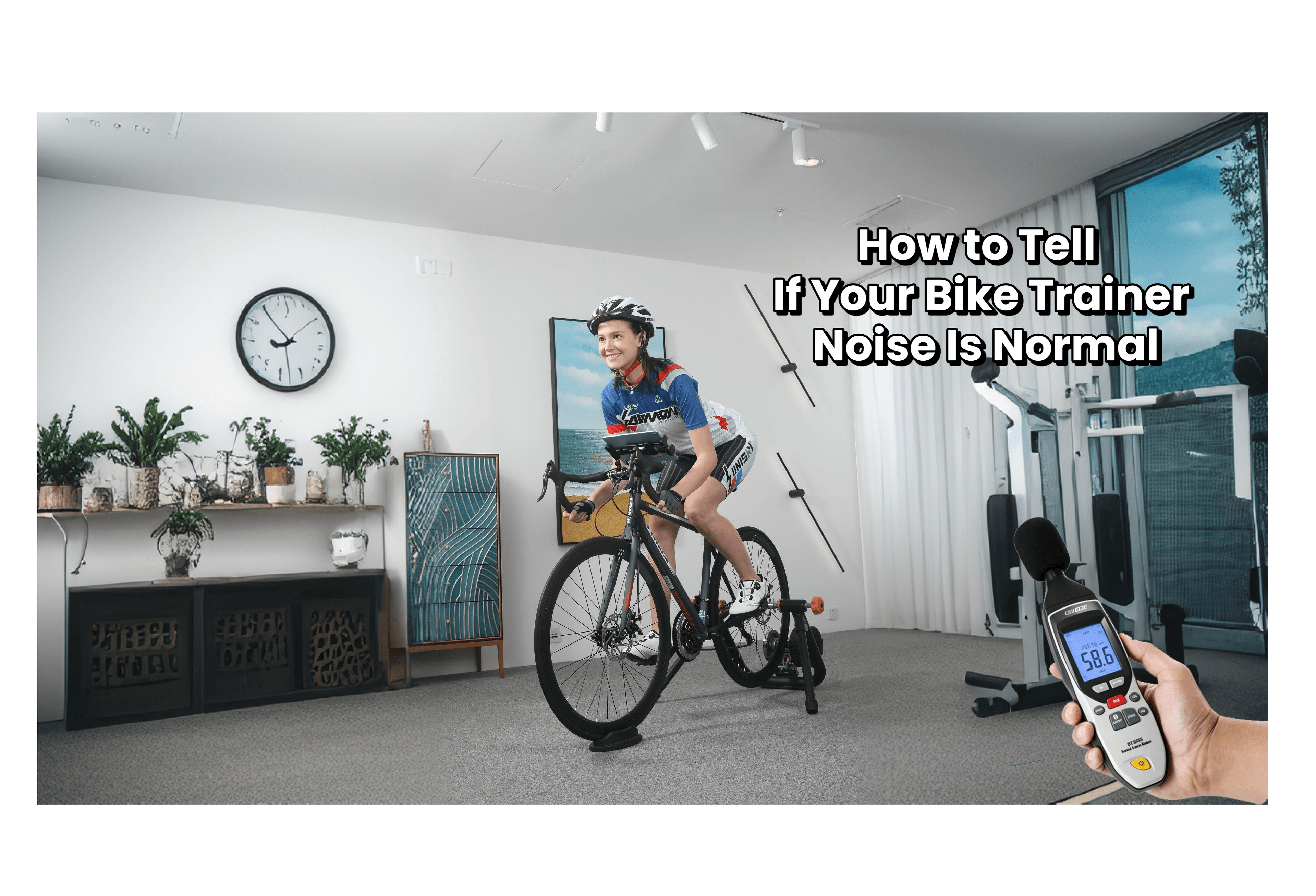
How to Tell If Your Bike Trainer Noise Is Normal | Causes & Fixes
Many indoor cyclists often ask: is my bike trainer too loud? All indoor bike trainers produce a certain level of operating noise during workouts. However, not all sounds are normal. Learning to distinguish normal operational noise from abnormal faulty noise helps you avoid unnecessary equipment replacement, fix potential mechanical issues early, and create a quiet home cycling environment. This guide explains normal vs abnormal bike trainer noise, suitable for both tire-drive and direct-drive bike trainers.
1. What Is Normal Bike Trainer Noise?
Normal noise refers to the inherent mechanical sound generated by the bike trainer and bicycle drivetrain during operation. It features stable volume and consistent tone, rising slightly with higher pedaling speed and resistance. This is a natural physical phenomenon and requires no repair or adjustment.
Common normal cycling trainer sounds include:
- Steady low rolling hum: Tire-drive trainers produce a consistent low-frequency hum from tire and roller friction. Direct-drive trainers create a subtle internal resistance operating sound. This soft and continuous noise is completely normal for indoor cycling training.
- Faint drivetrain friction noise: A clean and well-lubricated bike chain and gear set generate minimal uniform friction sounds during regular engagement. These minor noises are unavoidable during fast pedaling and belong to standard operating conditions.
- Speed-synchronized volume changes: The noise level increases moderately with faster pedaling speed and higher resistance and decreases immediately when slowing down. There are no sudden sharp sounds or intermittent abnormal noises.
In short, any stable, low-frequency, speed-linked continuous sound counts as normal bike trainer operating noise.
2. What Is Abnormal Bike Trainer Noise?
Abnormal noise refers to sudden, irregular, harsh, or overly loud sounds that do not come from standard mechanical operation. Most of these issues result from incorrect usage, wrong settings, poor maintenance, or loose parts. Almost all abnormal noises can be eliminated through proper adjustment and maintenance.
The most common abnormal noises and their symptoms are listed below:
- Persistent high-pitched squealing: The most frequent abnormal bike trainer noise. It is mainly caused by insufficient tire pressure, poor tire-to-roller contact, or dry and dirty bike chains. The sharp squeaking remains even after the trainer warms up and is the top cause of loud indoor cycling noise.
- Intermittent clicking and rattling noise: Triggered by loose drivetrain components, unlubricated chains, or unstable trainer placement. The irregular noise occurs randomly during pedaling, accompanied by obvious vibration and shaking.
- Harsh grinding friction sound: Caused by severely worn tires, foreign objects stuck on rollers, or rusty and stuck chains. This abrasive grinding noise accelerates equipment wear and requires immediate fixing.
- Loud floor resonance booming noise: Excessive low-frequency vibration triggers floor resonance and deep booming sounds. This indicates missing or ineffective vibration isolation, rather than normal trainer operation noise.
3. 3-Step Quick Check to Judge Normal or Abnormal Noise
Use these three simple self-inspection standards to quickly identify abnormal bike trainer noise for daily home cycling maintenance:
- Stability Check: Normal noise is continuous, stable, and smooth. Abnormal noise is intermittent, sudden, sharp, and piercing.
- Speed Sync Check: Normal noise rises and falls with pedaling speed. Abnormal noise persists or even grows louder at a constant speed.
- Maintenance Verification Check: If the noise disappears after inflating tires, lubricating the chain, or adding an anti-vibration mat, it is fixable abnormal noise. If loud noise remains after all optimizations, your entry-level trainer may have inherent high noise limitations.
4. How to Fix Abnormal Bike Trainer Noise
All confirmed abnormal noises can be resolved with proven indoor bike trainer noise reduction tips. Adjust tire pressure to the standard PSI, clean and lubricate the bike drivetrain, replace regular tires with slick tires, and use a professional anti-vibration mat to block floor vibration. If noise issues persist after all adjustments, upgrading to a quiet direct-drive bike trainer is the ultimate solution.
5. Main Causes of Bike Trainer Noise (Full Breakdown)
Indoor cycling trainer noise is rarely caused by a single factor. Most home cycling noise issues stem from friction anomalies, floor vibration resonance, poor bike maintenance, improper pedaling habits, and hardware defects. Understanding these root causes allows you to eliminate noise fundamentally and achieve quiet indoor workouts.
5.1 Abnormal Tire and Roller Friction (Top Noise Source for Tire-Drive Trainers)
Friction between tires and rollers is the biggest cause of loud tire-drive trainer noise. Underinflated tires increase contact area and compression friction, creating sharp squealing sounds. Treaded knobby tires produce continuous buzzing friction during high-speed pedaling. Additionally, worn tires, cracked rubber, or dust and sand stuck on rollers cause irregular grinding noises and greatly raise overall sound levels.
5.2 Floor Vibration and Structural Resonance
Most disturbing neighbor noise comes from floor vibration transfer instead of direct trainer sound. Pedaling vibration travels through the trainer frame to the floor, creating low-frequency booming resonance on wooden floors and hollow ceilings. Missing anti-vibration mats, unstable placement, and empty floor space amplify vibration, making transmitted noise far more disruptive than the trainer’s original operating sound.
5.3 Poor Drivetrain Maintenance
A neglected bike drivetrain is a hidden source of indoor cycling noise. Dirty chains filled with dust, grime, and old lubricant become dry and rusty, causing uneven gear engagement, constant friction sounds, and intermittent clicking noises. Worn or loose gears and flywheels also lead to unstable transmission and random abnormal sounds during rides.
5.4 Improper Pedaling Habits
Aggressive pedaling behaviors significantly increase trainer noise. Sprinting, hard stomping, and inconsistent cadence create sudden mechanical pressure, intense vibration, and loud operational noise. Sustained high speed above 30 km/h doubles tire friction and equipment load, drastically raising overall noise pollution during home training.
5.5 Unstable Installation and Loose Parts
Incorrect setup is a major cause of intermittent rattling noise. Uneven trainer feet, tilted placement, and loose fixing screws lead to minor shaking during pedaling, producing collision and vibration sounds. Improper tire-to-roller tension also creates issues: over-tightening increases friction noise, while under-tightening causes slipping and squeaking.
5.6 Inherent Hardware Limitations
Different bike trainer types have huge noise differences. Traditional tire-drive trainers inevitably produce friction noise due to roller contact. Low-budget entry-level trainers feature thin materials, insufficient shock absorption, and rough damper construction, resulting in far more vibration and noise than high-end models. Persistent loud noise after full optimization indicates inherent hardware limitations.
6. Final Conclusion
A subtle, stable, speed-synchronized low hum is normal bike trainer operating sound. All sharp squealing, intermittent rattling, harsh grinding, and excessive floor booming are abnormal issues that require troubleshooting and fixing. Bike trainer noise mainly comes from abnormal friction, vibration resonance, poor maintenance, improper operation, and hardware limitations. Targeted optimization effectively reduces noise, allowing quiet indoor cycling without disturbing family members or neighbors.
UNISKY
May 2026