The Bike Trainer Tips 08: Indoor Cycling Trainer Setup Guide: Essential Tips for Beginners
🚴♂️ Welcome to the World of Indoor Cycling!
Many cyclists bring a trainer home only to find the experience frustrating or short-lived due to a lack of preparation. The truth is, with the right setup, indoor riding can be incredibly comfortable and make your training twice as effective.
To help you skip the rookie mistakes, we've put together this practical guide:
1. Create Your Dedicated "Cycling Zone"
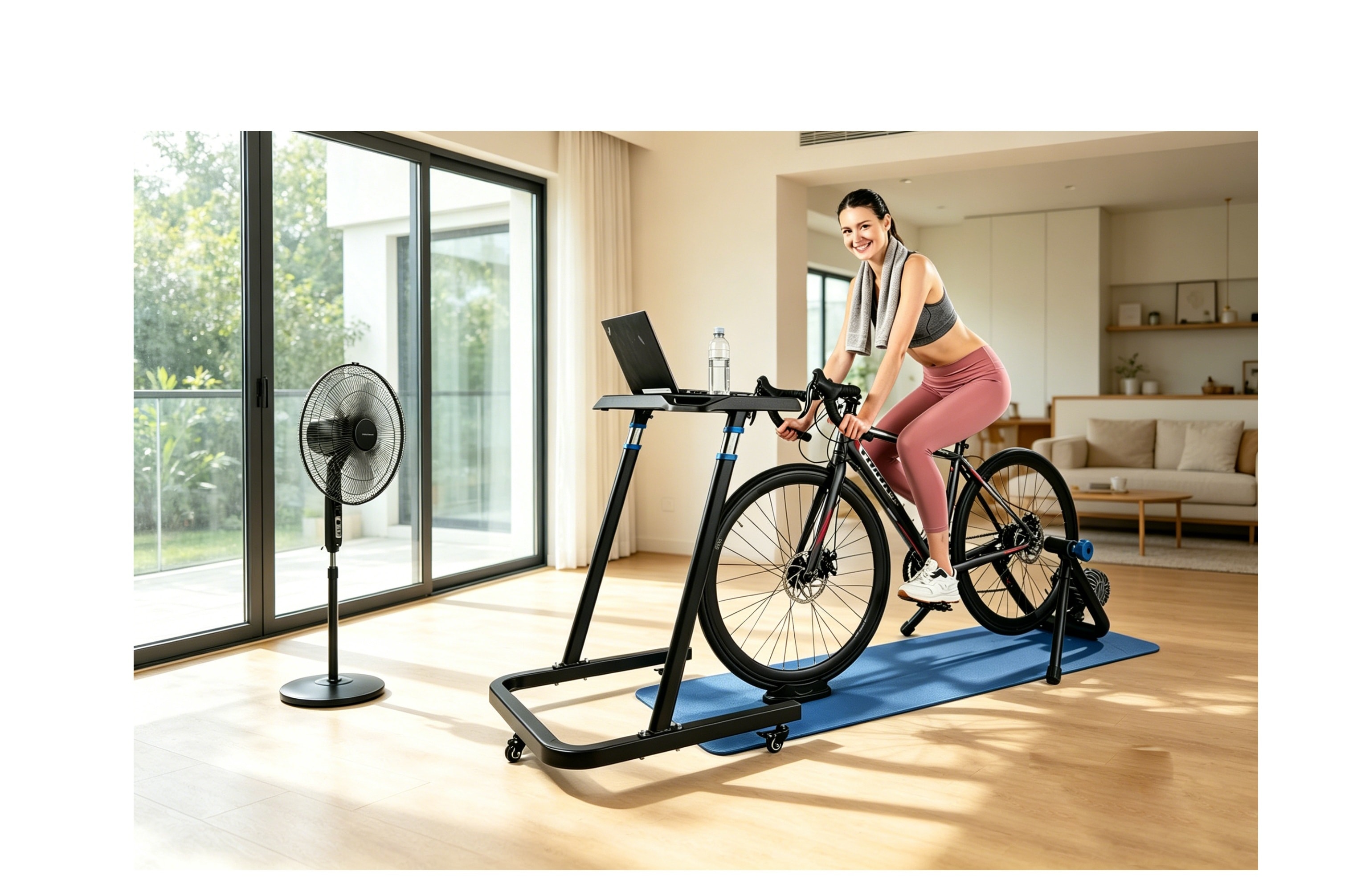
First, find a flat, well-ventilated area away from distractions to set up your trainer.
Set aside a dedicated area: Try to choose a specific corner to avoid clutter and distraction. If space is limited, make sure you can quickly set up your bike and equipment each time—this will also help you stay consistent with your training.
Ensure enough space: Although the trainer itself doesn't take up much room, you need adequate space to move. Aim for at least 2.5 square meters for the entire area. In particular, leave at least 1 meter in front of the handlebars; otherwise, you'll feel cramped while riding.
Consider your neighbors: Even quiet direct-drive trainers can transmit vibrations to the floor below. It's best to avoid placing the trainer in a room directly above a neighbor's bedroom.
Floor Protection
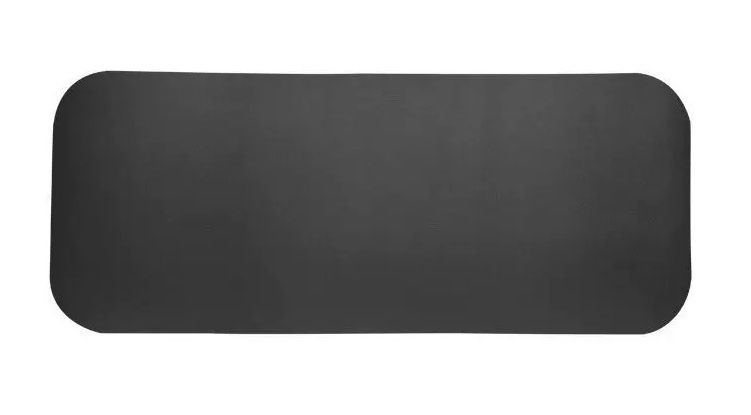
To prevent sweat from damaging your floor or creating a mess, we highly recommend placing a professional cycling mat (or a thick yoga mat) underneath your trainer. It also helps reduce noise and vibrations, keeping your family and neighbors happy.
Set the Vibe
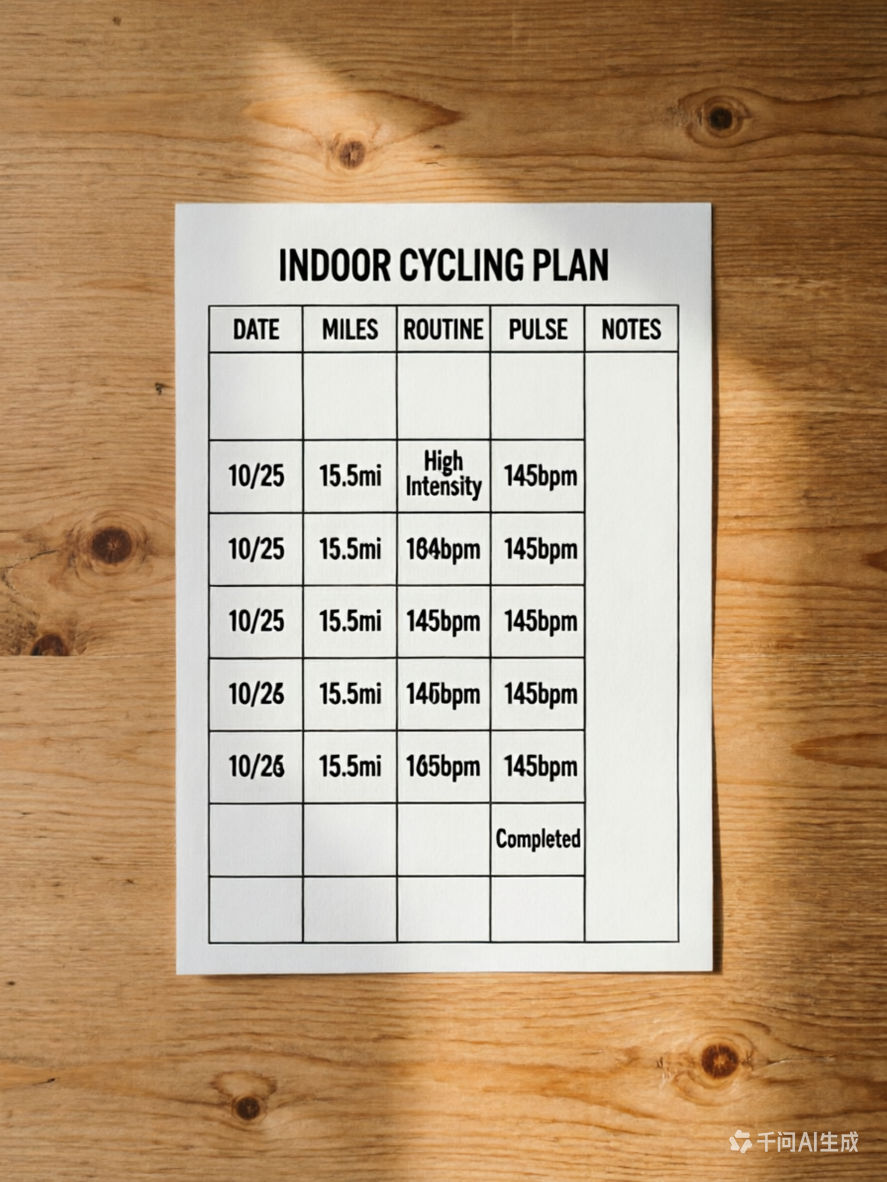
If possible, put up some motivational posters or your training plan on the wall. It adds a great boost of motivation to your personal space!
2. Gear Up for the Best Experience
Indoor cycling is a whole different ball game compared to riding outside. Here are a few essentials to significantly boost your comfort:
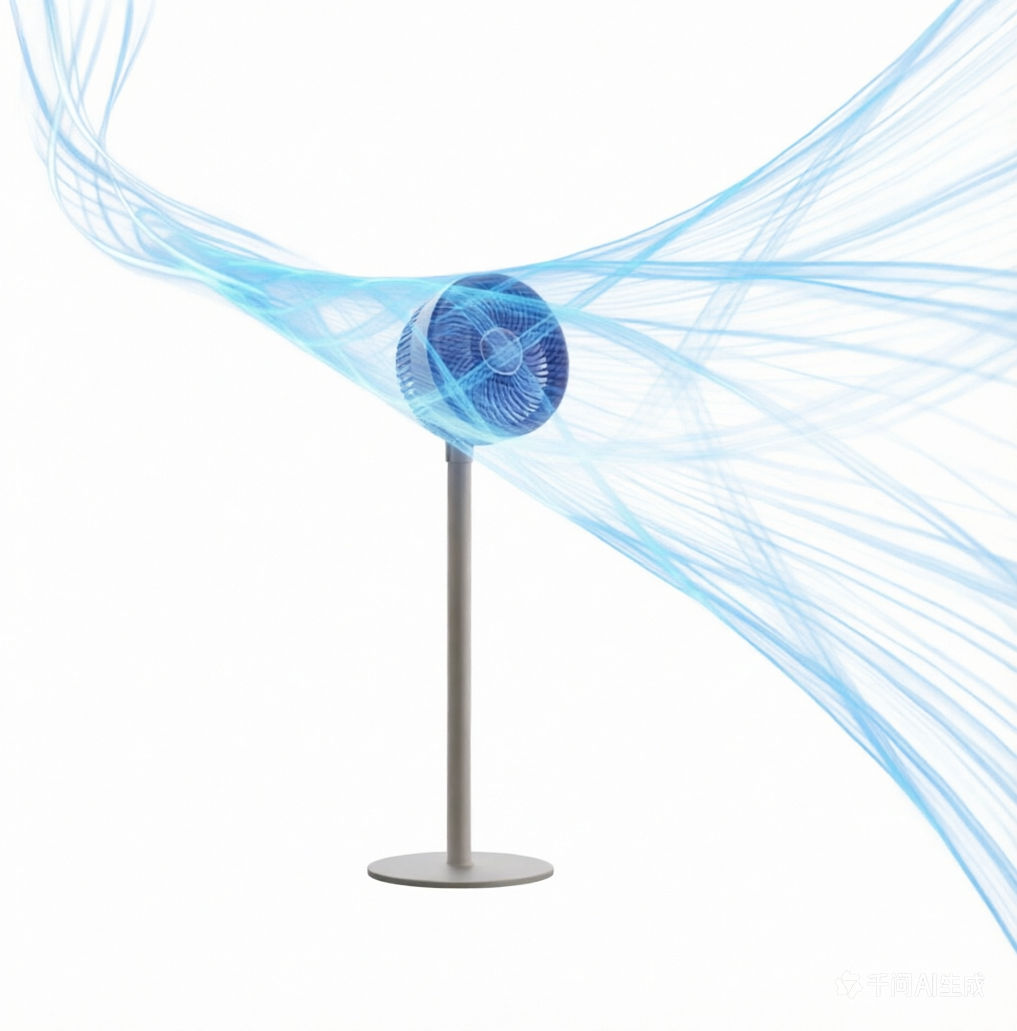
Powerful Fan (A Must-Have!)
This is your best friend indoors! Without natural wind, your body temperature can skyrocket, hurting your performance. Set up a strong fan blowing directly on you to stay cool, allowing you to ride longer and more comfortably.
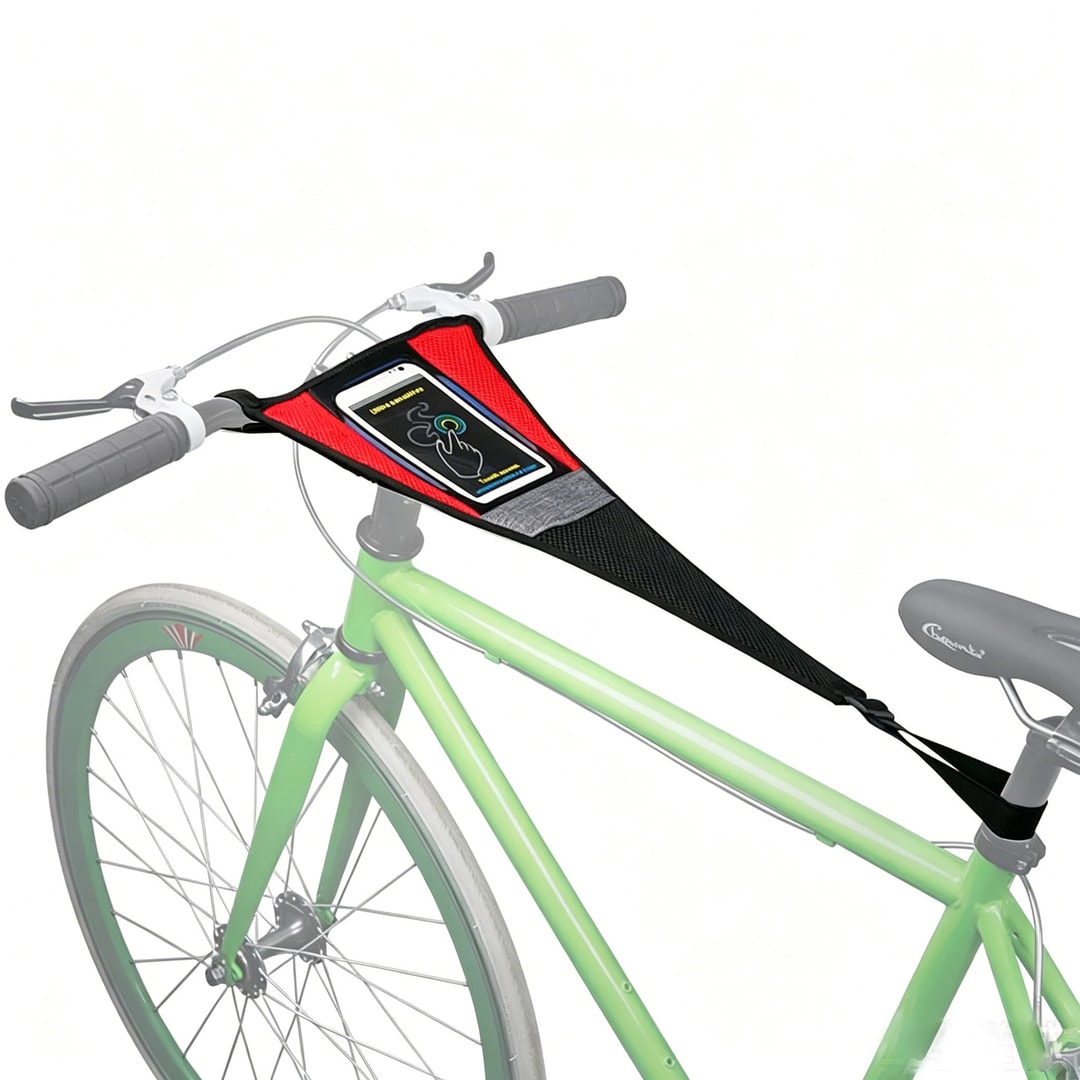
Sweat Protection
You will sweat a lot indoors, and the salt in sweat can corrode your frame, handlebar tape, and metal parts. We suggest using a dedicated "sweat net" or draping an absorbent towel over your handlebars and top tube to give your bike an extra layer of protection.
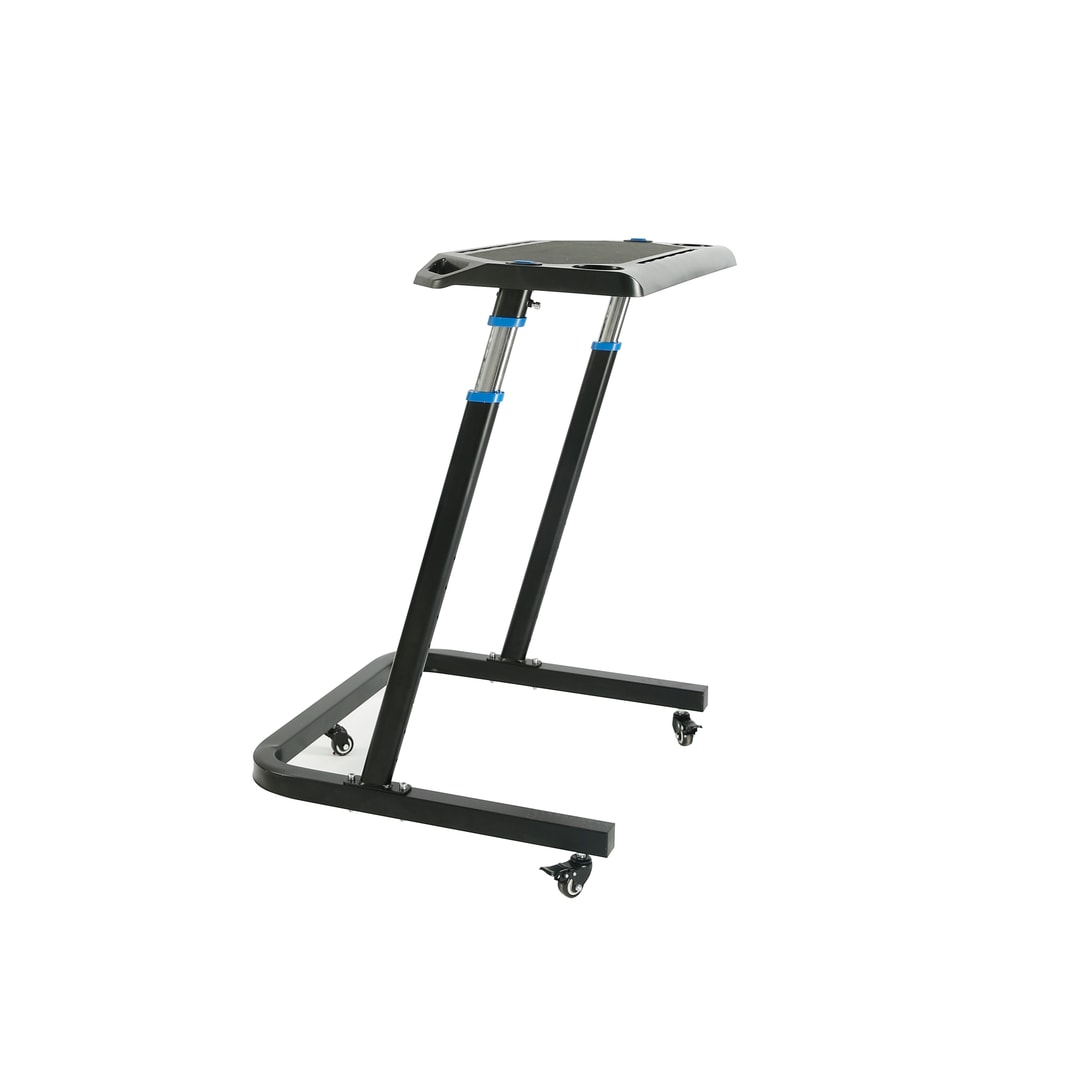
Supply Station – Bike Trainer Fitness Desk
Place a small table or rack within arm's reach. Stock it with water bottles (electrolyte drinks are highly recommended), energy gels/snacks, a towel, and your phone or tablet. This prevents you from having to hop on and off during intervals, keeping your workout seamless.
3. Plan Your Training & Nutrition
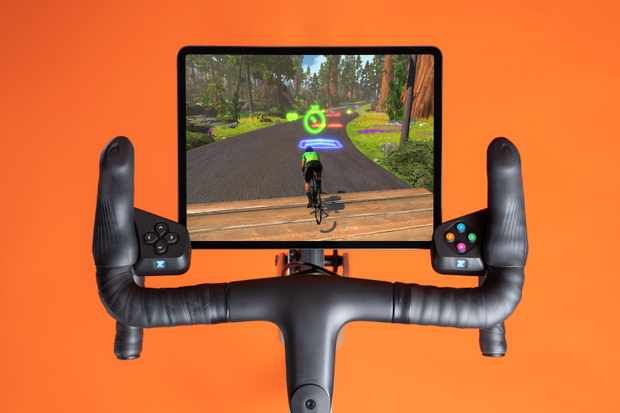
Have a Plan
Say no to mindless pedaling. Set a clear goal for the day (like endurance riding or sprint intervals) and pair it with virtual cycling apps (like Zwift or Onelap) or your favorite music and shows to beat the boredom.
Smart Nutrition
You lose water and electrolytes rapidly indoors. Keep a large water bottle handy and prep easy-to-digest carbs (like energy bars or bananas) based on your workout intensity. Never wait until you're starving or thirsty to refuel!

4. Warm Up & Safety Check
Warm Up Properly
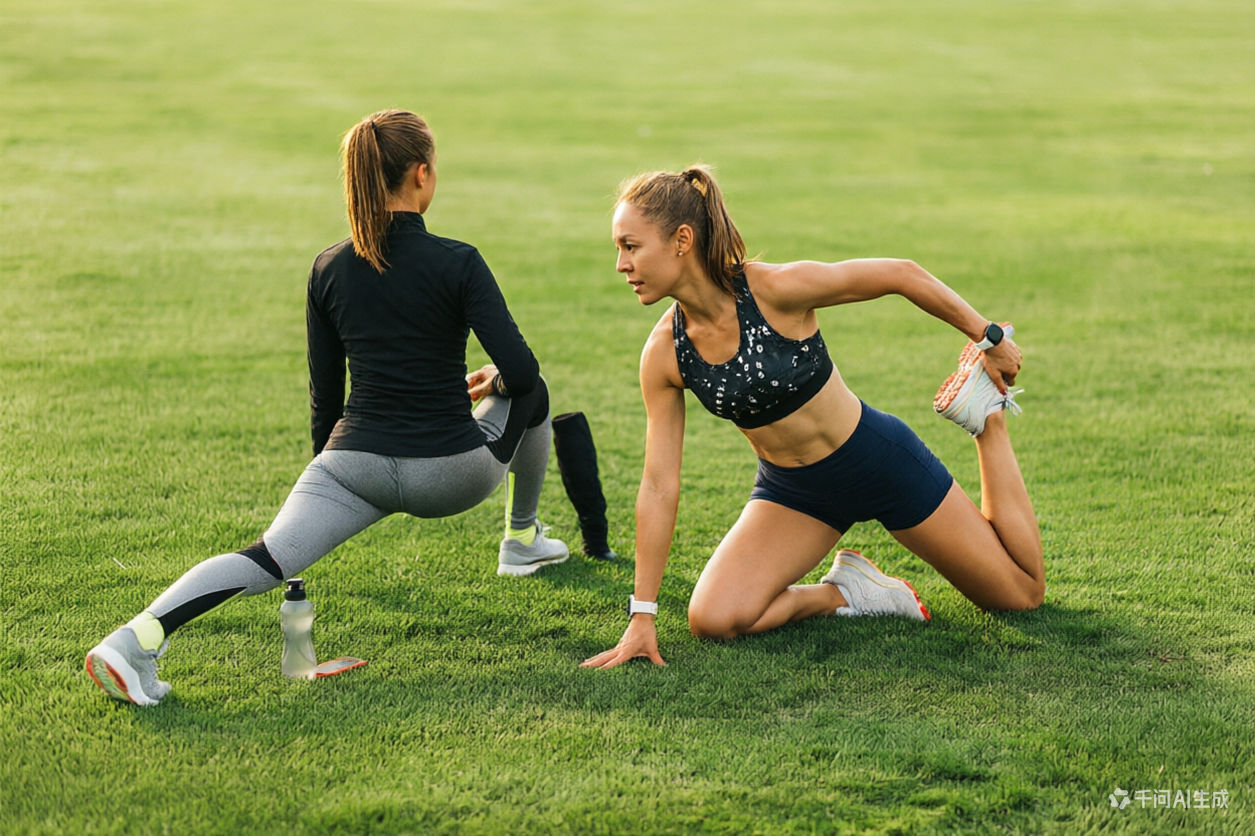
Before you get on the bike, spend 10-15 minutes doing dynamic stretches (focusing on legs, lower back, and upper back). Then, do a low-resistance warm-up ride on the trainer to activate your heart, lungs, and muscles, preventing injuries.
Check Your Bike
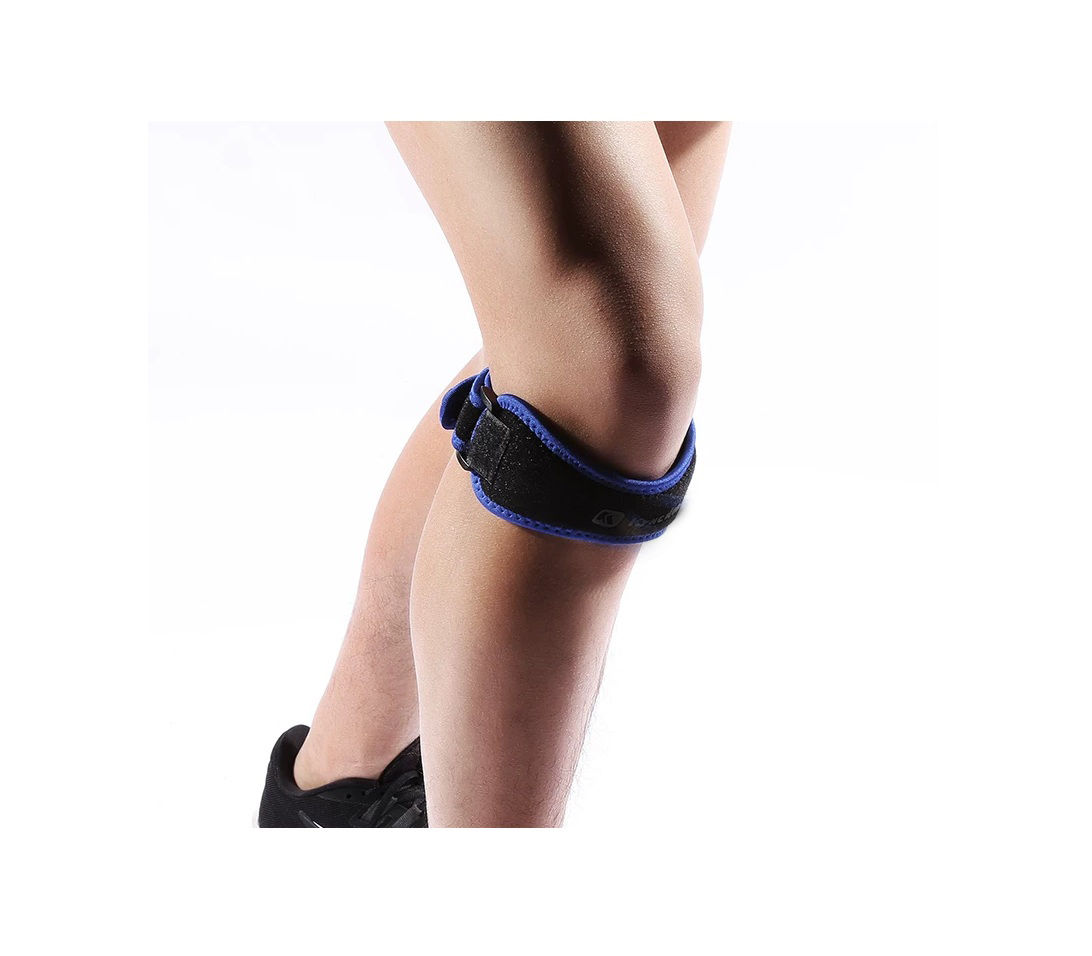
Make sure your bike is securely mounted on the trainer and the quick-release lever is tight. If you're a beginner, wearing knee supports (like a patellar strap) can help reduce knee strain.