The Bike Trainer Tips 07:Why Is Your Indoor Bike Trainer Shaking ?
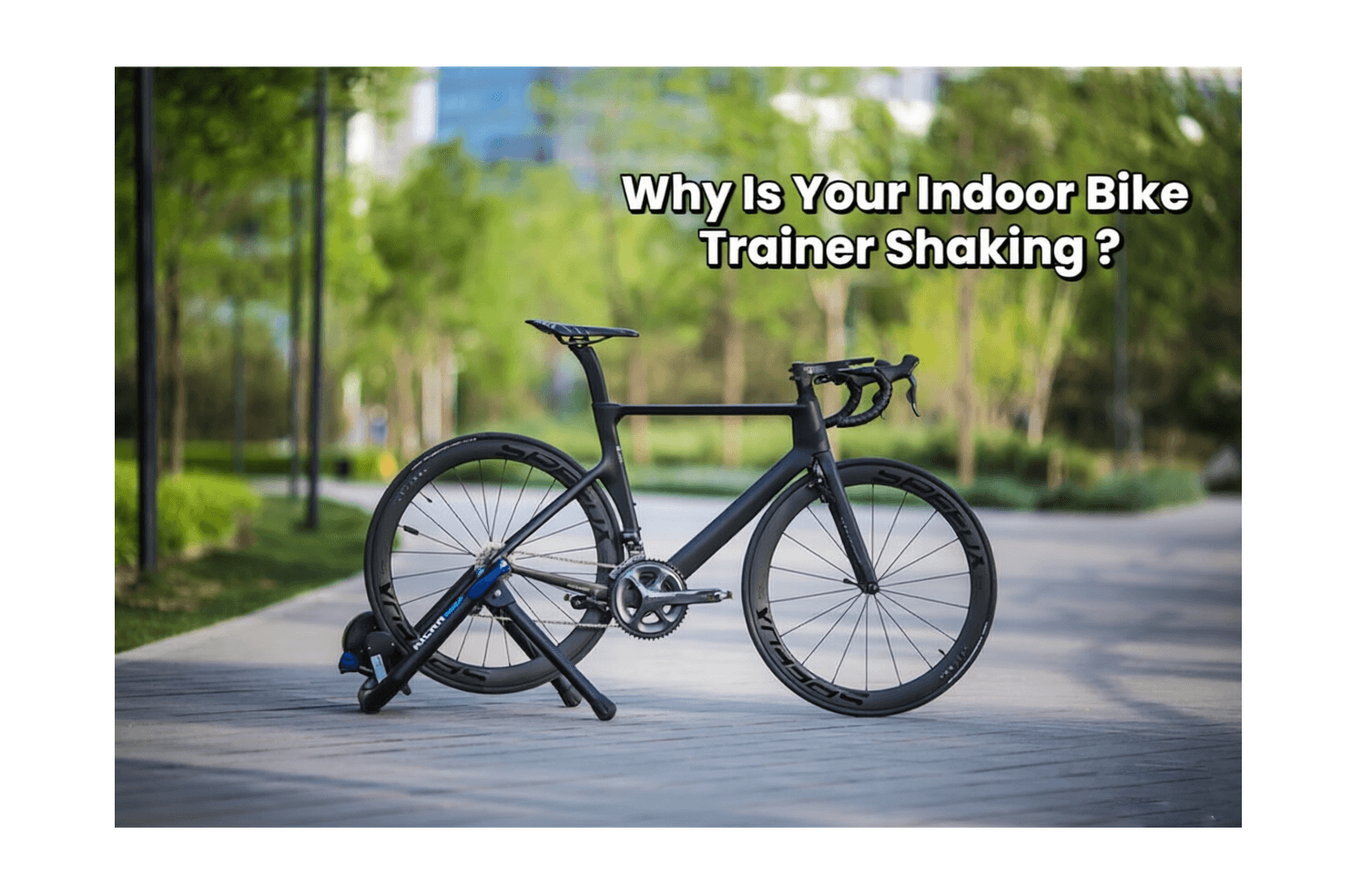
Why Is Your Indoor Bike Trainer Shaking? (5 Fixes for Rear Wheel Friction Trainers)
An indoor bike trainer shaking violently—especially a rear wheel fixed friction trainer—is frustrating. But in most cases, it does not mean your trainer is broken. Below are the 5 most common reasons your trainer wobbles, with step‑by‑step fixes.
1. Loose Frame‑to‑Trainer Connection (Most Common)
Why your bike trainer shakes:
- Insufficient quick release or thru‑axle clamping force.
- Mismatched adapter size.
- Quick‑release lever not fully closed.
How to fix trainer wobble:
- Re‑tighten the quick release/thru‑axle (firm, but do not damage threads).
- Verify the adapter matches your frame dropout spacing (130mm, 135mm, 142mm, 148mm, etc.).
2. Uneven Floor or Unleveled Trainer Feet
Why shaking happens: Tile joints, floor slopes, or soft carpet prevent all four contact points from touching evenly.
How to stop indoor trainer vibration:
- Use a spirit level or phone level app to check the floor.
- Rotate the adjustable rubber leveling pads on trainer feet.
- Avoid thick carpets; place a rigid board (plywood or trainer mat) underneath.
3. Rider Body Movement & Rocking (Not a Trainer Defect)
Why your rear wheel friction trainer wobbles when you stand: Fixed trainers don’t lean like a real bike. Lateral forces go straight into the narrow base.
How to reduce bike trainer shaking while riding:
- Keep your upper body stable and reduce rocking intensity. Focus on seated high‑cadence pedaling.
- If you need to sprint standing, consider a rocking plate (adds controlled side‑to‑side motion and reduces rigid shake).
- Check your saddle height and fore/aft position—wrong settings cause involuntary swaying.
4. Worn or Loose Trainer Components (Aging)
Why an old trainer shakes: Loose hinge/folding joints. Hardened, cracked or missing rubber feet.
How to fix an unstable trainer:
- Tighten all visible bolts (especially at folding joints).
- Replace worn rubber feet or add anti‑slip pads underneath (tool box liner or non‑slip mesh).
5. Eccentric Wheel or Flywheel (Periodic Shaking)
Why your trainer vibrates once per wheel revolution: An out‑of‑round tire, uneven spoke tension, or warped rim.
How to fix periodic shaking on a friction trainer:
- Lift the rear wheel and spin it—watch for side‑to‑side or up‑down wobble.
- True the wheel or replace the tire.
- Use a dedicated trainer tire (much rounder and smoother).
Quick Diagnosis: 4 Steps to Find Why Your Bike Trainer Is Shaking
- Off the bike: Push the saddle sideways. Is the shake at the frame‑trainer connection or trainer‑floor contact?
- Low cadence (60 rpm seated): Still shaking → check floor flatness & level feet.
- High cadence (90+ rpm seated, smooth pedaling): No shake, but shakes when rocking → normal; work on stability or add a rocking plate.
- Periodic shake (once per pedal/revolution): → eccentric wheel/flywheel (true wheel or check tire roundness).
⚠️ Danger Signs – Stop Using Your Trainer Immediately
If shaking comes with creaking, grinding, or metallic knocking sounds, stop and inspect:
- Cracked or stripped quick release / thru‑axle threads
- Cracked welds or plastic housing on the trainer
- Bent or damaged rear dropout on the bike frame
Final Takeaway
In 90% of cases, leveling the feet + tightening all connections + reducing rocking motion stops an indoor bike trainer from shaking violently. If the problem remains, contact after‑sales support to check the internal resistance unit for imbalance.
UNISKY
May 2026