How To Chose A Bike Repair Stand
Bike Repair Stand Buying Guide
Types of Stands
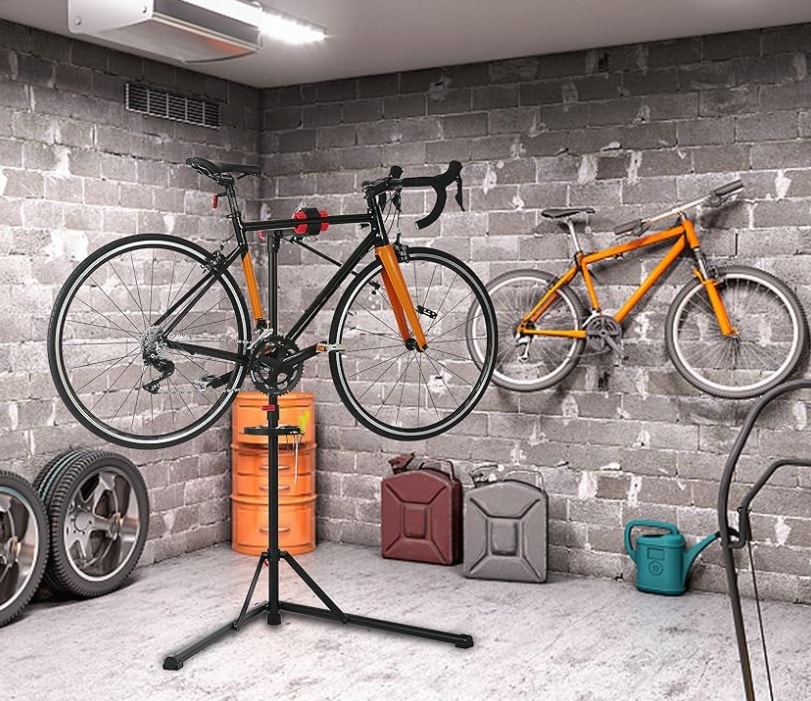
Freestanding (Portable) Stands
✅ Pros: Highly portable and foldable for easy storage or transport to events/races. They offer height and angle adjustment and are suitable for most home mechanics. Tripod bases adapt well to uneven surfaces.
❌ Cons: Generally less stable under heavy loads than fixed stands, and can have a larger footprint when set up. May use more plastic components, which can be less durable over time in cheaper models.
Mounted Stands (Bench / Wall)
✅ Pros: Offer superior stability and rigidity for heavy wrenching (e.g., loosening a stuck bottom bracket). They are also typically more affordable and save floor space.
❌ Cons: Require a permanent mounting location and are not portable.
Key Features to Consider
Stability and Weight Capacity
Ensure the stand can safely support your bike's weight. E-bikes, cargo bikes, and some downhill mountain bikes are heavy and require heavy-duty stands (e.g., those with a 100 lb capacity). A wide footprint enhances stability.
Clamping Mechanism
Clamping Jaws
Most common type, these clamp onto the bike's seatpost to avoid damaging the frame tubes (especially carbon or lightweight aluminum). Look for soft, protective rubber jaws and a quick-release or a micro-adjust knob for easy, one-handed use. Ensure the clamp opens wide enough for your seatpost/tube diameter.
Axle / Bottom Bracket Mount
The preferred choice for professional mechanics and those with aero or lightweight carbon frames, as it avoids clamping the frame tubes entirely. The bike is supported by the bottom bracket shell and the fork ends, but this requires removing one wheel and may need various adapters for different axle sizes.
Adjustability
- Height: Look for a stand with sufficient height adjustment to work comfortably without straining your back.
- Angle / Rotation: A clamp head that rotates 360 degrees is very useful for positioning the bike at the ideal angle for different tasks, such as bleeding disc brakes.
Portability and Storage
If space is limited, choose a stand that folds down compactly. If you plan to travel with it, look for a lightweight model that is easy to assemble and disassemble quickly.
Material and Durability
High-end stands use durable, rust-resistant metal components, while budget options often use more plastic parts.
Which Stand Is Right for You?
We've broken down the best options based on your needs — whether you're a casual home rider or running a busy bike shop.
- Foldable and easy to store
- Height adjustable for comfortable working
- Soft rubber jaws protect your frame
- Supports most road and mountain bikes
- Great value for occasional use
- Superior stability for heavy wrenching
- High weight capacity (up to 100 lbs)
- All-metal construction for long-term durability
- Axle/bottom bracket mounting option available
- Perfect for e-bikes, cargo bikes, and shop use
💡 Quick Tip: If you're just starting out, a freestanding stand is a great first investment. If you're running a shop or working on heavy bikes regularly, go for a heavy-duty or mounted option.
Summary
By assessing these factors based on your specific needs, you can select a bike repair stand that will make maintenance tasks safer, easier, and more efficient. Whether you're a home hobbyist or a professional mechanic, the right stand transforms bike maintenance from a chore into a pleasure.
🔍 Ready to Choose Your Repair Stand?
Explore Unisky's full range of bike repair stands — from portable home models to professional heavy-duty options.
👉 Welcome to visit Unisky