Equipment List to setup a Indoor Cycling
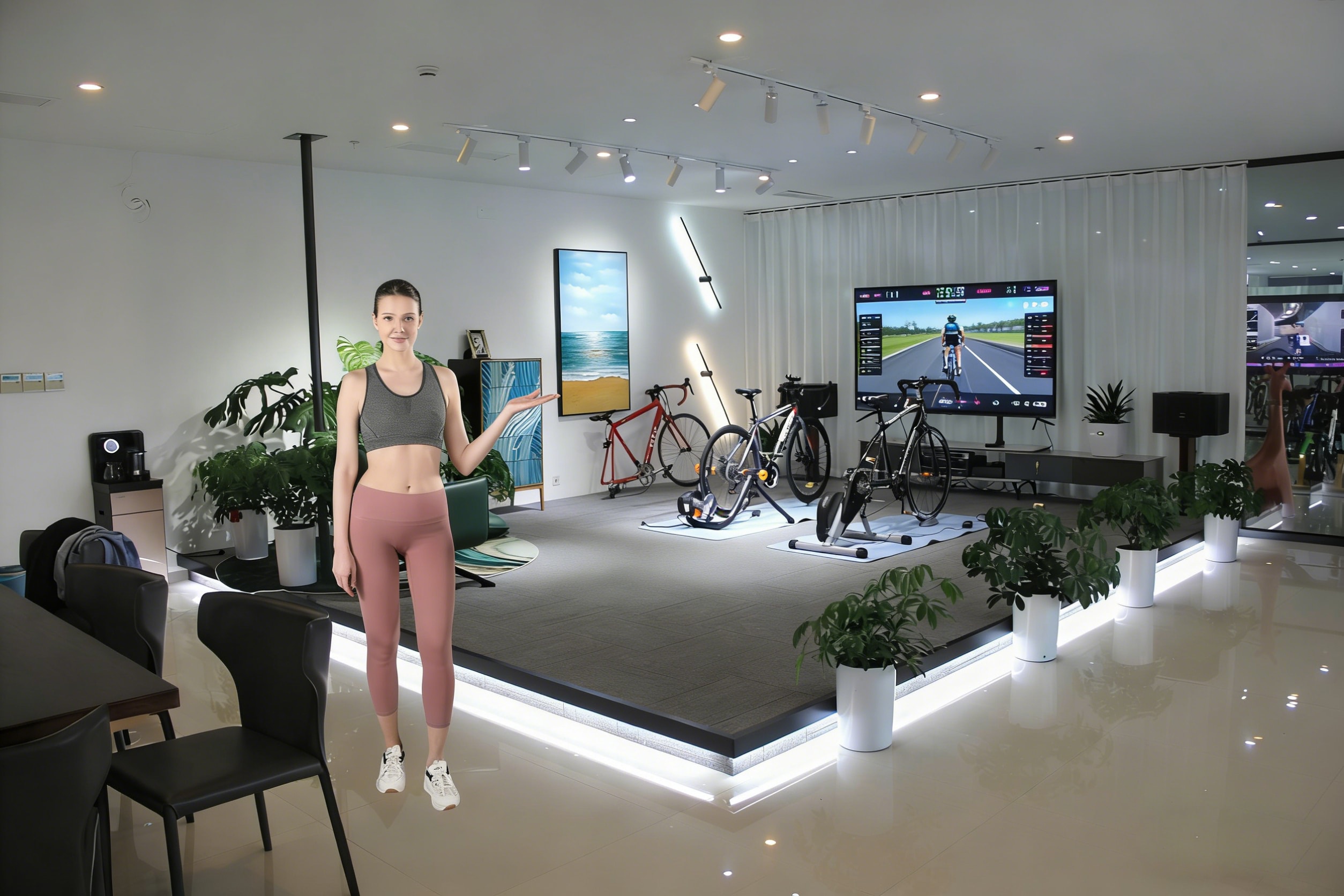
Indoor Cycling Equipment List
A complete guide to building your indoor cycling setup — from core essentials to comfort upgrades and maintenance tools.
I. Core Equipment List for Indoor Cycling
Sorted by Priority
Beginners should first acquire the core equipment and then gradually add auxiliary equipment based on training needs and budget, avoiding blindly following trends and buying unnecessary items.
(I) Core Cycling Equipment
Essential — No One Can Be Missing
This is the foundation for building an indoor cycling setup, directly determining the cycling experience and training results.
1. 🚴 Trainer
Requires use with your own outdoor bicycle. Two types: roller trainers (focus on balance training, high difficulty) and smart direct-drive trainers (precise resistance, connect to apps, near-realistic cycling experience). Suitable for those with cycling experience who want to improve endurance/power.
2. ⛑️ Cycling Helmet
While indoor cycling avoids outdoor collision risks, accidental slips or bike swaying can still impact the head. Essential for protection, especially for beginners or during high-intensity training. Choose a style that fits well, is breathable, and meets safety certifications.
3. 👖 Cycling Pants
Primary function: reduce friction between buttocks and saddle, preventing pain and swelling from prolonged riding. Beginners should prioritize shorts with a silicone saddle (summer) or fleece-lined pants (winter). Fabric should be breathable, elastic, and fit snugly.
(II) Auxiliary Comfort Equipment
Enhancing the Experience — Not Essential but Recommended
This equipment addresses "pain points" of indoor cycling (sweating, stuffiness, noise, fatigue). Add according to your needs to increase the likelihood of long-term commitment.
1. 💨 Fan / Air Conditioning
Indoor cycling lacks natural wind, leading to sweating, stuffiness, and dehydration. A floor fan (aimed at upper body and legs) is recommended. In summer, air conditioning can maintain 22-26°C.
2. 🧶 Anti-Slip / Sound Insulation Mat
Trainers generate vibrations and noise, especially on wooden or tiled floors. A dedicated anti-slip mat (larger than equipment base) reduces noise, prevents slippage, and improves safety.
3. 🧤 Cycling Gloves
Reduce friction between hands and handlebars, preventing sweaty, slippery hands and hand pain from prolonged gripping. Choose thin, breathable gloves in summer and fleece-lined gloves in winter.
4. 💧 Water Bottle
Continuous sweating requires prompt fluid replenishment. A handlebar-mounted cycling water bottle is recommended for easy access without interrupting training. Consider electrolyte water for longer rides.
5. ❤️ Heart Rate Monitor
Accurately control training intensity. Use a heart rate monitor or smartwatch. Ideal heart rate: 60%-80% of max (max ≈ 220 - age). Beginners start at 60%-70% and gradually increase.
6. 📱 Stand / Storage Accessories
A phone/tablet stand (handlebar-mounted) lets you watch cycling lessons, movies, or listen to music while riding. A fitness desk and wheel stabilizers can prevent bike swaying.
7. 🖥️ Large LED Screen
Connect to cycling apps via a large screen to monitor training progress and intensity in real time. Participate in cycling races with friends for added fun.
(III) Cleaning and Maintenance Equipment
Essential for Extending Equipment Life
Indoor cycling generates sweat that can drip onto equipment. Long-term neglect leads to aging and rust. Simple cleaning and maintenance equipment is necessary for regular upkeep.
1. 🧻 Cloth / Disinfecting Wipes
After each ride, wipe equipment surfaces (seat, handlebars, resistance knobs) with a dry cloth to remove sweat and prevent bacterial growth. Regularly use disinfecting wipes to keep equipment clean.
2. ⚙️ Lubricant
Over time, trainer chains and bearings may experience jamming and unusual noises. Apply dedicated lubricant regularly (every 1-2 months) to reduce wear and extend equipment lifespan.
Final Recommendations
🏠 Setting up an indoor cycling environment hinges on "equipping yourself with essential gear and adding auxiliary equipment as needed."
- Beginners don't need to spend excessively — focus on safety and comfort.
- For long-term use, pay attention to equipment maintenance and proper riding posture to extend equipment lifespan and prevent injuries.
- Plan training time effectively and incorporate fun activities to maintain consistency and achieve weight loss, body shaping, and improved endurance.
💡 Budget-Friendly Starting Point: If your budget is limited, start with a "trainer + helmet + cycling shorts." Later, based on your training needs, gradually add fans, anti-slip mats, and heart rate monitors to progressively improve the environment — making indoor cycling a relaxed and efficient form of exercise.
🚴 Unisky — Your Indoor Cycling Partner
We provide high-quality trainers, repair stands, and accessories to help you build the perfect home training setup.